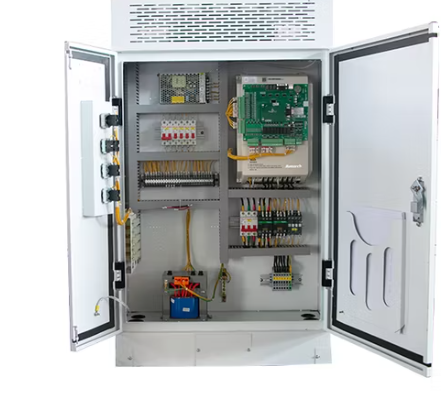

OmniSync Hyper Station presents itself as a centralized engine for cross-device data synchronization and orchestration. Its promise of offline resilience and auditable security invites scrutiny, not absolution. The architecture and data flows warrant careful evaluation, especially in light of potential vendor lock-in and opaque latency claims. The real-world deployments offer varied use cases and failure modes, suggesting that setup precision and modular defenses matter. The questions linger: what truly constitutes resilience, and at what cost?
What Is the Omnisync Hyper Station and Why It Matters
The Omnisync Hyper Station is a multi-functional platform marketed as a hub for data synchronization, processing, and cross-device orchestration. It presents a centralized claim of control, yet scrutiny is essential. OmniSync basics reveal basic architecture and data flows, while setup security determines resilience. Skeptics note potential lock-in, while freedom-minded readers seek transparency, verifiable standards, and user autonomy over integrations.
Core Features That Unlock Seamless Work–Home–Travel Syncing
Core features enable continuous, cross-domain synchronization across work, home, and travel environments by enforcing predictable data flows, offline resilience, and secure handoffs. The system emphasizes data privacy safeguards and resilient state management, enabling autonomy without constant oversight.
However, skepticism persists: true battery optimization, cross-device parity, and transparent latency metrics remain unproven claims rather than guaranteed guarantees for freedom-seeking users.
How to Choose the Right Setup and Optimize Security
Selecting the right setup hinges on balancing risk, performance, and usability while maintaining baseline security. The analysis evaluates trade-offs, avoiding overreliance on vendor claims.
Careful setup selection hinges on measurable criteria, not anecdotes, ensuring resilience without rigidity. Security optimization should target minimal exposure, modular defenses, and auditable controls, preserving freedom to adapt while constraining preventable threats.
Real-World Use Cases and Practical Troubleshooting
Real-world deployments of the OmniSync Hyper Station reveal a spectrum of practical use cases and common failure modes, necessitating clear criteria for troubleshooting. Analysts describe disaster recovery as a decisive driver, while multi device onboarding exposes interoperability gaps.
The evaluation remains skeptical: detect root causes, isolate modules, and validate fixes without overhauling system architecture or conceding seductive, unverified promises.
Frequently Asked Questions
Can Omnisync Hyper Station Run on Battery Power?
OmniSync may operate briefly on battery power, though Power considerations suggest limited runtime. This analysis notes OmniSync battery constraints, Privacy policy implications, Data recovery challenges, and Update compatibility risks, encouraging cautious reliance for freedom-seeking users.
What Are the Hidden Costs Beyond Base Pricing?
Hidden costs exist beyond base pricing, including maintenance fees and potential upgrade surcharges. The analysis implies questionable value, urging scrutiny and freedom-driven skepticism as stakeholders weigh total cost of ownership versus advertised promises.
Is There a Privacy Policy for Data Collected?
A privacy policy exists; the document outlines data collection practices and user rights. The analysis remains skeptical about transparency, noting potential ambiguities in data collection scope, retention, and third-party sharing, which may challenge user freedoms and informed consent.
How Does Recovery Work After Hardware Failure?
Recovery after hardware failure relies on a recovery workflow and hardware redundancy, a process evaluated skeptically for resilience, transparency, and speed; and it favors autonomy, with predictable failovers, verifiable backups, and minimal vendor lock-in when possible.
Do Updates Affect Current Device Compatibility?
Updates can affect compatibility; the question is whether the changes align with device lifecycle expectations. Analysts remain skeptical, noting potential fragmentation. For freedom-focused audiences, updates should preserve core functionality, avoiding premature obsolescence and undue constraint on devices.
Conclusion
The Omnisync Hyper Station promises centralized, auditable resilience, yet vendors’ opacity and lock-in risks warrant skepticism. Its multi-device orchestration may deliver efficiency, but measurable latency, standards compliance, and modular defenses must be demonstrated in deployment realities. Until transparent benchmarks and autonomy assurances accompany its architecture, organizations should treat it as one tool among many, insist on open interoperability, and prepare robust disaster-recovery, multi-device onboarding, and fault-handling processes to avoid overreliance. A critical, iterative validation remains essential.


 By
By




 By
By