
Proper storage is one of the most important parts of food management. Even high-quality ingredients can lose their desirable characteristics if they are stored incorrectly. This is especially relevant for products that require frozen conditions.
For households and commercial kitchens, an organized storage system can help protect food quality, reduce waste, and make meal preparation more efficient. Seafood is one category where temperature management and careful handling deserve particular attention.
Why Storage Matters
Storage affects food quality from the moment a product enters the kitchen.
For frozen products, maintaining appropriate temperatures helps preserve the product until it is ready for preparation. Repeated temperature fluctuations can negatively affect texture and overall quality.
A good storage system therefore involves more than simply placing products in a freezer. Businesses need procedures for receiving, organizing, checking, and rotating inventory.
Selecting Appropriate Products
Storage planning should begin when products are purchased.
Consumers should consider the amount of freezer space available and the expected rate of consumption. Buying significantly more than necessary can create unnecessary pressure on storage capacity.
When purchasing frozen seafood buyers should inspect packaging, labels, and storage information before placing the products into their freezer.
Keeping the Freezer Organized
Organization makes food storage easier to manage.
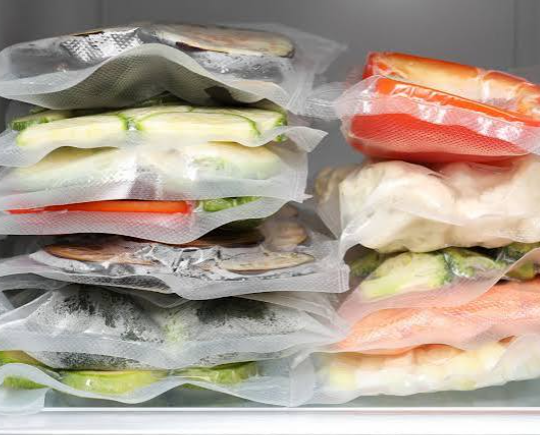
Products can be grouped according to type, while labels should remain visible. A simple inventory system can help users identify what is available without repeatedly moving packages around.
Commercial kitchens can take this further by recording quantities and relevant dates.
An organized freezer also makes cleaning and inspection easier.
Avoiding Temperature Fluctuations
Frequent temperature changes can affect frozen food quality.
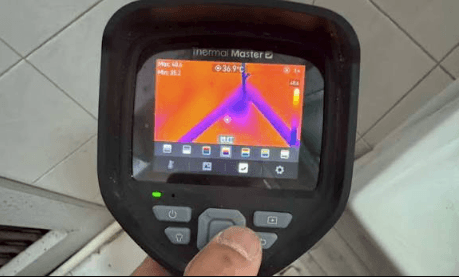
Freezer doors should not be left open unnecessarily. Businesses can also monitor equipment regularly to identify potential problems before large quantities of food are affected.
If a freezer develops a technical issue, staff should follow the company’s food-safety procedures rather than making assumptions about whether products remain suitable.
Packaging Protection
Packaging provides an important layer of protection.
Products should remain properly sealed until they are needed. Damaged packaging should be assessed according to food-safety procedures.
For businesses, receiving inspections can identify packaging problems before products enter long-term storage.
Thawing and Preparation
Storage and preparation are closely connected.
A product should be moved from frozen storage into an appropriate thawing environment based on when it will be used. Controlled thawing can make preparation more predictable.
Once thawed, food should be handled hygienically and should not be left in unsuitable conditions.
Planning thawing times can also reduce last-minute preparation pressure.
Managing Inventory
Inventory rotation is a useful strategy for both homes and commercial kitchens.
Older suitable products can be identified and used before newer purchases where appropriate. Clear labels make this easier.
Restaurants can maintain stock records to estimate future requirements and reduce over-ordering.
Good inventory management can also improve cost control.
Hygiene During Storage
Clean storage areas support better food hygiene.
Freezers should be kept clean, and spills should be addressed promptly. Raw seafood and other foods should be packaged appropriately to prevent unwanted contact.
Commercial kitchens should include freezer cleaning in their regular maintenance schedules.
Supporting Sustainable Practices
Good storage can also contribute to sustainability.
When food is wasted less often, the resources used to produce, transport, and store that food are not unnecessarily lost.
Accurate purchasing and inventory management therefore have benefits beyond financial savings.
FAQs
1. Why is freezer organization important?
It makes products easier to locate, supports inventory rotation, and helps reduce unnecessary handling.
2. How can businesses protect frozen food quality?
Maintaining appropriate storage temperatures, checking equipment, protecting packaging, and monitoring inventory can all help.
3. Why should thawing be planned?
Planned thawing supports better food handling and prevents rushed preparation under unsuitable conditions.
Conclusion
Effective storage is a fundamental part of food quality management. For seafood and other frozen ingredients, maintaining appropriate temperatures, protecting packaging, organizing inventory, and following safe handling procedures can make a significant difference.
A simple but consistent storage routine can help households and professional kitchens preserve food quality while reducing waste and improving everyday efficiency.


 By
By