
Gravure printing is widely used for applications where high-quality, consistent reproduction is essential. Packaging, decorative materials, labels, and other printed products often require precise graphics and stable results throughout long production runs.
However, maintaining consistent output at high production speeds can be challenging. Small changes in ink application, registration, material movement, or surface conditions can affect the final appearance. If these problems are discovered only after production has continued for an extended period, manufacturers may face unnecessary waste and rework.
Automated quality monitoring provides a way to improve visibility during production. By continuously observing printed material and analyzing images, manufacturers can identify potential problems earlier and respond before they become more widespread.
The Quality Challenges of Gravure Printing
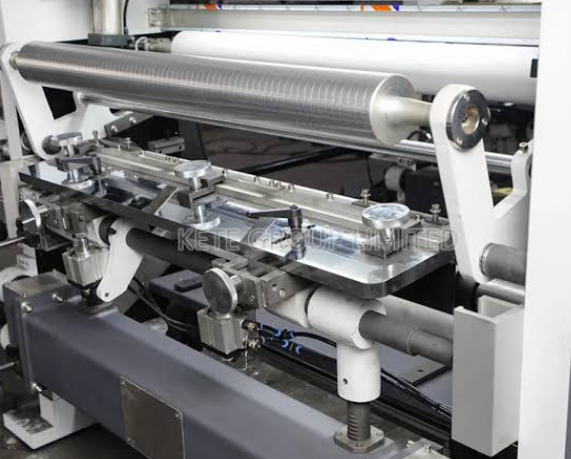
Gravure printing relies on engraved cylinders to transfer ink onto the substrate. The process can produce detailed and high-quality images, but maintaining consistency requires careful control of multiple production factors.
Changes in printing conditions can result in variations that become visible on the finished material. These may include differences in color, registration, print coverage, unwanted marks, or other visual imperfections.
Because production can continue at high speed, detecting these issues quickly is important for maintaining quality.
Why Continuous Monitoring Matters
Traditional quality checks often involve inspecting samples at selected intervals. While this approach can provide useful information, it cannot continuously observe every section of material.
A defect can develop shortly after a sample has been approved. If the issue is not discovered until the next check, a considerable amount of material may already be affected.
Automated monitoring provides a continuous view of the production process. Cameras can observe the printed web while it moves through the inspection area, while software analyzes the captured images.
This can give production teams earlier information about potential quality problems.
Understanding Automated Print Monitoring
An automated inspection setup generally combines several technologies.
Industrial cameras capture images of the printed material. Controlled lighting helps create consistent image conditions, while software analyzes the images according to predefined inspection criteria.
The system can identify differences between the expected appearance and the actual production output.
When a potential defect is detected, an alert can notify the operator. This allows the production team to investigate the issue and determine whether corrective action is necessary.
Common Gravure Printing Problems
Several visual issues can affect gravure production.
Registration Errors
Multicolor gravure printing requires different colors and design elements to align accurately. Registration changes can affect the appearance of graphics and text.
Color Variation
Changes in ink conditions or production settings can create unwanted differences in color or print density.
Missing or Weak Print
Inconsistent ink transfer may result in areas that appear incomplete or weaker than the approved appearance.
Spots and Streaks
Unwanted marks can develop because of contamination, ink-related issues, material conditions, or mechanical factors.
Surface Imperfections
The substrate itself may contain marks, scratches, or other imperfections that influence the final appearance.
Automated inspection can help make these problems more visible during production.
The Role of Cameras
Cameras provide the visual information required for automated analysis.
The camera configuration needs to match the production environment. Important considerations include the width of the material, production speed, inspection area, and size of defects that need to be detected.
Camera positioning should also remain stable. Even a well-designed inspection system can produce inconsistent results if the imaging conditions change unexpectedly.
Lighting for Reliable Inspection
Lighting is another critical component.
Printed materials can have different surface characteristics, including glossy or reflective finishes. These surfaces may create glare or reflections that interfere with image analysis.
Controlled illumination helps provide more consistent images.
The lighting arrangement should therefore be designed according to the material, printing characteristics, and inspection objectives.
Using Image Analysis During Production
Once images are captured, software evaluates them against appropriate quality criteria.
The system may compare the current production with an approved reference or analyze visual characteristics according to configured parameters.
Depending on the application, the inspection process may evaluate patterns, colors, shapes, edges, registration, or other features.
The goal is to identify meaningful differences while avoiding unnecessary alerts.
Reducing the Impact of Defects
Early detection can make a major difference in high-speed production.
If a defect begins to appear, an automated alert can provide information while the affected material is still being produced. Operators can then investigate relevant machine conditions.
This may allow corrective action to be taken before the problem continues for an extended period.
The result can be better control over the amount of material affected by a particular production issue.
Supporting Material Efficiency
Waste reduction is an important objective for printing manufacturers.
Material, ink, energy, machine time, and labor all contribute to production costs. When defective material is produced for an extended period, these resources may be consumed without generating acceptable output.
Continuous inspection can support waste reduction by improving the speed at which quality problems become visible.
Although inspection technology cannot eliminate all waste, earlier detection can provide manufacturers with more opportunities to limit its impact.
Improving Production Consistency
Consistency is especially important when printed materials are produced for recognizable brands or repeated product lines.
Customers generally expect different sections of an order to have a uniform appearance.
Automated monitoring can help quality teams identify changes during production rather than waiting for final inspection.
This provides greater visibility and supports more consistent manufacturing practices.
Combining Automation With Operator Expertise
Automated systems are most effective when they work alongside experienced production personnel.
The inspection system can continuously analyze material, but operators remain responsible for investigating alerts and determining appropriate actions.
For example, an alert indicating repeated visual differences may require the operator to inspect printing conditions, material movement, ink-related factors, or other equipment.
Human judgment remains an important part of quality management.
See also: Preparing for Jobs in a Tech-Driven World
Using Inspection Data for Improvement
Inspection information can also help manufacturers understand recurring production issues.
When defect events are recorded over time, quality teams can look for patterns.
A particular problem may occur more frequently under certain production conditions. Identifying such patterns can encourage manufacturers to review maintenance procedures, machine settings, materials, or operating practices.
This can help move quality management toward prevention rather than simply identifying defects after they occur.
Selecting an Appropriate Solution
Manufacturers should evaluate their specific production requirements before choosing an automated inspection solution.
Important factors can include:
- Printing speed
- Web width
- Substrate characteristics
- Typical defect types
- Required inspection resolution
- Lighting conditions
- Camera configuration
- Software functionality
- Operator workflow
- Production-line integration
A suitable solution should fit the actual manufacturing environment.
For manufacturers evaluating automated options, printing quality inspection systems can be considered as part of a broader strategy for maintaining consistent production quality.
Integrating Inspection Into the Production Workflow
An inspection system should become part of normal production rather than operate as an isolated process.
Operators should understand how alerts are generated and what actions should follow. Quality teams should also establish procedures for reviewing recurring problems.
Integration with the production workflow can help ensure that inspection information leads to useful decisions.
Maintenance and System Review
Inspection equipment needs appropriate maintenance to remain reliable.
Cameras should remain properly positioned, lighting conditions should remain consistent, and software settings should be reviewed when production requirements change.
New designs, substrates, or printing conditions may require inspection parameters to be updated.
Regular review can help ensure that the system continues to support the quality objectives of the production line.
Frequently Asked Questions
1. Why is quality monitoring important in gravure printing?
Gravure production can operate at high speeds, so defects may affect a significant amount of material if they are not detected quickly. Continuous monitoring can provide earlier visibility into potential problems.
2. What types of defects can automated inspection identify?
Depending on the system configuration, automated inspection may help identify registration differences, color variation, missing print, spots, streaks, and other visual inconsistencies.
3. Can automated inspection reduce production waste?
It can support waste reduction by identifying problems earlier. Faster detection gives operators more opportunity to investigate and correct an issue before a larger quantity of material is affected.
Conclusion
Maintaining consistent quality in gravure production requires effective monitoring throughout the manufacturing process. High production speeds make continuous manual observation difficult, while periodic sampling may leave gaps in quality visibility.
Automated inspection can strengthen this process by continuously analyzing printed material and alerting operators to potential problems. This can support earlier defect detection, improved consistency, better material efficiency, and more informed production decisions.
The strongest results come from combining suitable inspection technology with controlled imaging conditions, appropriate software settings, and experienced operators. With the right implementation and ongoing maintenance, automated quality monitoring can become a valuable part of modern gravure production.


 By
By