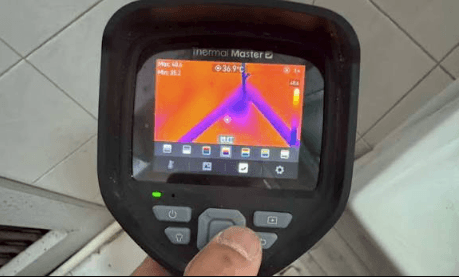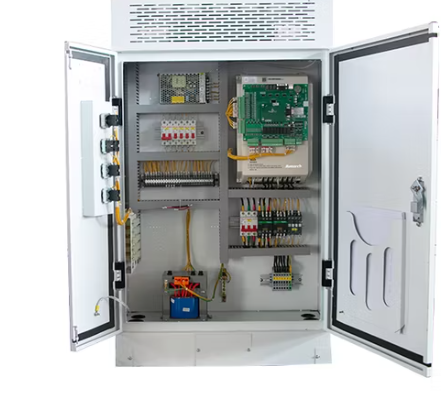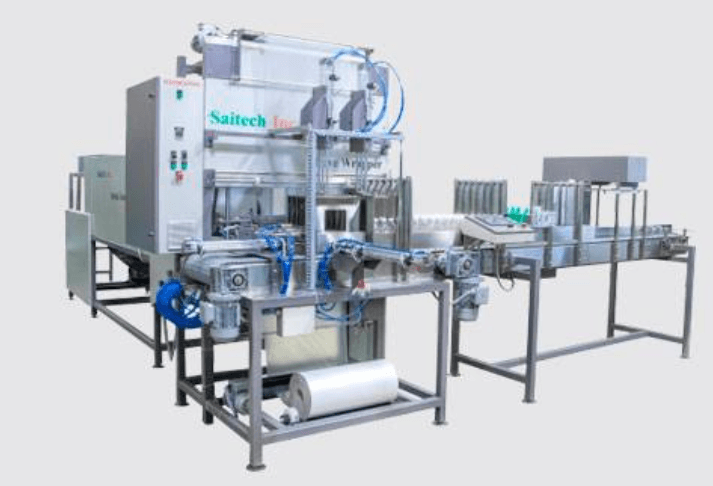

AetherFusion Dynamic Nexus integrates diverse computational and material systems into a cohesive, human-centric framework for responsive, interconnected operation across sensors, processors, and adaptive materials. Its architecture partitions workloads for parallel analytics, preserves data locality, and orchestrates microservices, storage, and compute with dynamic governance. Safeguards, ethics, and transparent auditing aim to ensure accountability, while user-centric outcomes—personalization and real-time decision support—prioritize autonomy. The framework raises practical questions about implementation and governance as stakeholders consider its real-world impact.
What Is the Aetherfusion Dynamic Nexus? (Explainer in Plain Terms)
The Aetherfusion Dynamic Nexus refers to a conceptual framework that integrates diverse computational and material systems to enable responsive, interconnected operation. It describes a coordinated platform where sensors, processors, and materials interact to adapt behavior in real time.
What is the aetherfusion? It denotes a cohesive, flexible architecture designed for transparent interoperability while preserving individual component autonomy and human-oriented freedom in exploration.
How the Nexus Architecture Enables Scalable Analytics
How does the Nexus architecture scale analytics across heterogeneous components? The framework partitions workloads, enabling parallel processing and data locality. It orchestrates microservices, storage, and compute layers through a dynamic architecture that balances load, reduces contention, and supports incremental scaling. This design delivers scalable analytics while preserving data fidelity, interoperability, and freedom to evolve without centralized bottlenecks.
Safeguards, Ethics, and Governance in the Nexus
Safeguards, ethics, and governance underpin the Nexus framework by codifying responsibilities, risk controls, and decision-making processes across all components. The approach delineates accountability, establishes transparent auditing, and enforces compliance with normative standards.
Safeguards governance structures are designed to anticipate failures and mitigate harm, while ethics governance aligns innovation with human-centric values, enabling resilient, freedom-friendly system evolution without compromising security or trust.
Real-World Use Cases: From Data Streams to User-Centric Outcomes
Real-world use cases illustrate how continuous data streams translate into tangible, user-centric outcomes within the Nexus framework.
Data pipelines demonstrate adaptive processing for personalization, anomaly detection, and real-time decision support.
Emphasis remains on data privacy and governance.
Model latency is minimized through streamlined inference, edge-level computation, and efficient batching, ensuring scalable, transparent outcomes without compromising user autonomy or security.
Frequently Asked Questions
What Is the Long-Term Roadmap for Aetherfusion Dynamic Nexus Upgrades?
The long term roadmap outlines phased upgrades governance, prioritizing stability and interoperability. It emphasizes transparent decision-making, scheduled revisions, and stakeholder feedback cycles, ensuring scalable enhancements while preserving autonomy and freedom within an evolving, modular framework.
How Does It Integrate With Legacy On-Premise Systems?
Integration with legacy on-premise systems faces integration challenges and security hardening requirements; AetherFusion Dynamic Nexus bridges gaps through standardized adapters, phased migration, and governance controls, balancing freedom to evolve with disciplined, verifiable interoperability and risk mitigation.
What Are the Licensing and Cost Structures for Enterprises?
Licensing options vary by deployment and scale, with enterprise pricing tiers. The framework emphasizes data governance and security audits, ensuring compliance. Costs reflect customization, support levels, and ongoing governance tooling, delivering predictable budgeting for organizations seeking freedom.
How Is Data Provenance Tracked Across Heterogeneous Sources?
Data provenance is tracked via immutable lineage records, cryptographic hashes, and auditable metadata across heterogeneous sources. A standardized schema enables end-to-end traceability, enabling freedom of verification, reproducibility, and accountability within diverse data ecosystems.
Who Oversees Governance and Accountability for Model Decisions?
Oversight governance and accountability model reside with appointed ethics and compliance bodies, though operational layers delegate decisions to cross-functional committees. The framework emphasizes transparency, calibration, and auditability while preserving autonomy, freedom, and responsibility in model-driven outcomes.
Conclusion
The AetherFusion Dynamic Nexus integrates diverse systems into a cohesive, scalable platform for real-time analytics and adaptive operation. Its architecture prioritizes data locality, parallel processing, and transparent governance to sustain trust and accountability. An intriguing statistic highlights its efficiency: organizations leveraging edge-enabled inference report up to a 42% reduction in latency compared to centralized processing. This combination of responsiveness, safeguards, and user-centric outcomes positions the Nexus as a robust framework for future data-driven ecosystems.


 By
By



 By
By