
Elevators rely on a combination of mechanical, electrical, and electronic components to transport passengers and goods safely between floors. Among these components, an elevator control box plays a central role in coordinating the different functions of the lift. It manages signals from the elevator system and helps control important operations such as movement, door opening, floor selection, and safety monitoring.
For residential buildings, commercial properties, hotels, hospitals, offices, and industrial facilities, choosing compatible control equipment is essential for maintaining dependable elevator performance.
Understanding the Role of an Elevator Control Box
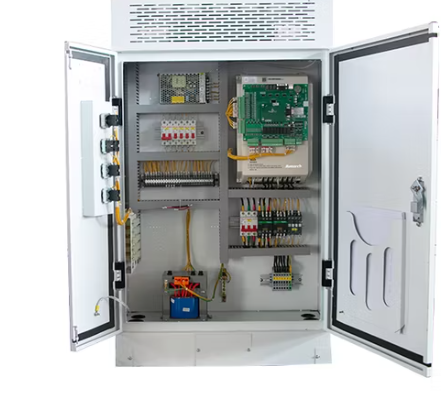
An elevator control box is an enclosure that contains various electrical and electronic components used to operate and manage an elevator. Depending on the system, it may include controllers, relays, circuit boards, contactors, power components, terminals, and communication devices.
When a passenger presses a floor button, the request is transmitted to the elevator control system. The controller processes this information and determines how the elevator should respond. It can coordinate the motor, braking system, doors, sensors, and floor-positioning functions to complete the requested journey.
This makes the control box an important connection point between the elevator’s control logic and its physical components.
Supporting Safe Elevator Operation
Safety is one of the most important considerations in elevator design. A modern lift must respond appropriately to information received from door sensors, limit switches, emergency circuits, overload systems, and other safety devices.
An elevator control box helps process these signals and can prevent normal elevator movement when a relevant safety condition has not been satisfied. For example, the elevator may be prevented from moving if the doors are not properly closed or if a safety circuit is interrupted.
The control system can also help manage acceleration and deceleration, contributing to smoother rides and more accurate stopping at designated floors.
Where Elevator Control Boxes Are Used
Different buildings have different elevator requirements. Residential elevators may prioritize compact designs and straightforward operation, while commercial buildings with heavy passenger traffic can require more advanced control functions.
Elevator control boxes may be used in hotels, hospitals, shopping centers, office buildings, factories, warehouses, and other facilities. They can support passenger elevators, freight elevators, and other specialized lift systems, depending on the design and specifications.
The correct control box should always be selected according to the elevator’s motor type, rated load, travel speed, door configuration, power supply, and controller requirements.
Important Selection Factors
Before choosing an elevator control box, elevator contractors and building managers should review the technical requirements of the complete lift system. Electrical compatibility is one of the most important considerations because the control cabinet must work correctly with the installed motor, controller, and other components.
The arrangement of internal components is also important. A well-organized cabinet can make inspection and maintenance easier for qualified technicians. Accessible components, clear wiring, and appropriate protection can simplify troubleshooting and routine servicing.
Modern control systems may also include diagnostic functions that provide useful information when faults or abnormal operating conditions occur.
Benefits of Reliable Control Equipment
A properly matched control box can contribute to consistent elevator operation by coordinating different components efficiently. It can support accurate floor positioning, smooth movement, responsive door operation, and reliable processing of passenger commands.
For new elevator installations, selecting the correct control equipment during the planning stage can help ensure system compatibility. For modernization projects, an upgraded control solution can provide an opportunity to improve the operation and management of an existing lift system.
See also: Shrink Wrapping Machine: An Efficient Solution for Modern Packaging
Selecting a Suitable Solution
Every elevator installation has specific technical requirements, so there is no single control box suitable for every application. Project requirements should be reviewed carefully before making a purchase.
GOTS Elevator provides a range of elevator control box solutions for different elevator applications. By comparing specifications and selecting equipment that matches the complete elevator system, contractors and building owners can support reliable and efficient lift operation.
A quality control box is more than an electrical enclosure; it is an important part of the elevator’s operating system. With suitable control technology, elevators can provide smoother movement, accurate responses, and dependable performance for everyday building use.


 By
By