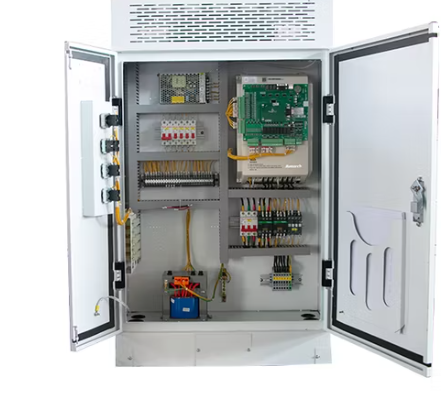

CyberNova Digital Vault presents itself as a centralized, governance-focused solution for secure asset and credential management. Its emphasis on transparent logs, auditable controls, and data sovereignty suggests a measured risk posture. Yet questions remain about real-world integration, threat modeling depth, and privacy assurances. The framework promises robust encryption and strict access governance, but practical effectiveness hinges on implementation details and operational discipline. The stakes imply a closer look at whether the design withstands emergent threats and regulatory scrutiny.
What CyberNova Digital Vault Is and Why It Matters
CyberNova Digital Vault is a centralized platform designed to securely store and manage digital assets, credentials, and sensitive information. It is analyzed for practicality, not hype, highlighting its role in controlling access and reducing noise.
For freedom-minded readers, it prompts scrutiny of privacy gaps and legal compliance, emphasizing need for transparent governance, auditable processes, and verifiable data sovereignty guarantees.
Key Security Technologies Behind CyberNova Vault
The assessment of CyberNova Vault’s security rests on the technologies that govern access, confidentiality, and integrity of stored assets. The architecture leverages robust authentication, encryption at rest and in transit, and auditable access controls. Skepticism persists about single points of failure and latency. Ongoing data breach risk is mitigated through threat modeling, continuous assessment, and disciplined vulnerability management.
How CyberNova Vault Protects Personal Data Daily
How does daily protection manifest in practice within CyberNova Vault’s operations? The system enforces cyber ethics through transparent access logs and auditable controls, while data minimization reduces exposure by default. A privacy culture underpins staff behavior, and threat modeling guides routine defenses. Continuous monitoring balances security with user autonomy, resisting intrusive overreach and unproven promises.
Choosing CyberNova Vault: Use Cases and Next Steps
Choosing CyberNova Vault for specific use cases requires a disciplined assessment of intended data types, access patterns, and risk tolerance. The analysis emphasizes practical boundaries, not promises. Use cases should balance privacy practices with operational needs, avoiding overreach. Next steps involve evaluating integration feasibility, incident response, and data resilience, ensuring governance aligns with autonomy desires and skeptical scrutiny of vendor claims.
Frequently Asked Questions
Can Cybernova Vault Scale to Enterprise-Level Data?
CyberNova vault shows potential to scale data, but enterprise readiness remains uncertain; skeptics note cross border transfers, privacy compliance, and custom policies require robust governance. Its capacity to balance freedom with compliance determines overall enterprise suitability.
How Does Cybernova Vault Handle Cross-Border Data Transfer?
Cross-border governance governs transfers cautiously; Data sovereignty remains central. The system claims Enterprise scale resilience and Vendor risk management, yet skepticism persists about lawful compliance, latency, and auditability. The design prioritizes freedom with measured safeguards.
What Are the Recovery Time Objectives for Outages?
Outage recovery objectives vary; CyberNova aims for defined targets, yet the metrics raise questions about data uptime guarantees. The analysis notes potential gaps, emphasizing that clear, verifiable outage recovery timelines are essential for those demanding freedom.
Is Cybernova Vault Compliant With Emerging Privacy Laws?
Allegorically, one reads a guarded city gate: privacy compliance remains unclear; audits suggest partial alignment, yet data sovereignty challenges persist. The vault displays cautious conformity, but skepticism remains about full, independent adherence to evolving privacy laws.
Are There User-Made Custom Security Policies Available?
Custom policies are not publicly documented as user-createable; governance appears centralized. The analysis suggests limited user governance, with cautious skepticism about flexibility and potential risk, while defenders argue for control and freedom through configurable, policy-driven security.
Conclusion
In a landscape of noise, CyberNova Vault stands as a tempered counterpoint: security through transparent governance and auditable controls, not hype. Juxtaposing robust encryption and data minimization with pragmatic use-case focus reveals a platform built to curb overreach while preserving sovereignty. Yet skepticism lingers: can governance alone deter every threat, or will real-world incidents test its incident response and integration feasibility? The balance between resilience and practicality remains the crucible for its daily relevance.


 By
By




 By
By