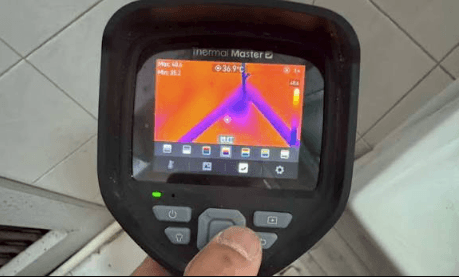

Building professionals conducting energy audits or moisture investigations increasingly rely on a thermal inspection camera as a diagnostic tool, making understanding of what specifically suits building diagnostic applications helpful for professionals in this particular field.
Why Building Applications Often Prioritize Different Specifications Than Industrial Electrical Inspection
Unlike electrical inspection work focused on detecting hot spots at specific connection points, building diagnostic applications often prioritize broader thermal pattern visualization across larger surfaces, making field of view and image clarity across wider areas genuinely more relevant considerations for this particular use case.
How Moisture Detection Applications Specifically Benefit From Certain Camera Capabilities
For moisture investigation specifically, cameras offering good sensitivity to the subtle temperature differences moisture presence typically creates within building materials provide genuinely more useful diagnostic capability than models optimized primarily for high-temperature industrial applications.
Why Portability and Ease of Use Matter More for Building Diagnostic Work
Given that building diagnostic work often involves navigating varied indoor and outdoor spaces throughout a single inspection, camera portability and intuitive operation genuinely matter more for this application than they might for fixed industrial inspection scenarios.
For building professionals evaluating options, this overview of a thermal inspection camera covers capabilities relevant to energy audit and moisture investigation applications specifically.
Frequently Asked Questions
Do building diagnostic applications require different camera specifications than industrial electrical inspection?
Often yes, with building work typically prioritizing broader thermal pattern visualization and moisture-relevant sensitivity over the high-temperature hot-spot detection industrial electrical work emphasizes.
See also: Preparing for Jobs in a Tech-Driven World
How does thermal imaging specifically help identify moisture problems within building materials?
Moisture presence typically creates subtle temperature differences detectable through thermal imaging, helping identify affected areas that might not be visually apparent.
Is camera portability genuinely more important for building diagnostic work than other applications?
Generally yes, given how building inspections often involve navigating varied spaces throughout a single assessment, making ease of handling and operation particularly valuable.
Final Thoughts
Building diagnostic professionals benefit from selecting thermal cameras specifically suited to broader pattern visualization and moisture-relevant sensitivity, distinct from specifications optimized for industrial electrical inspection.

 By
By