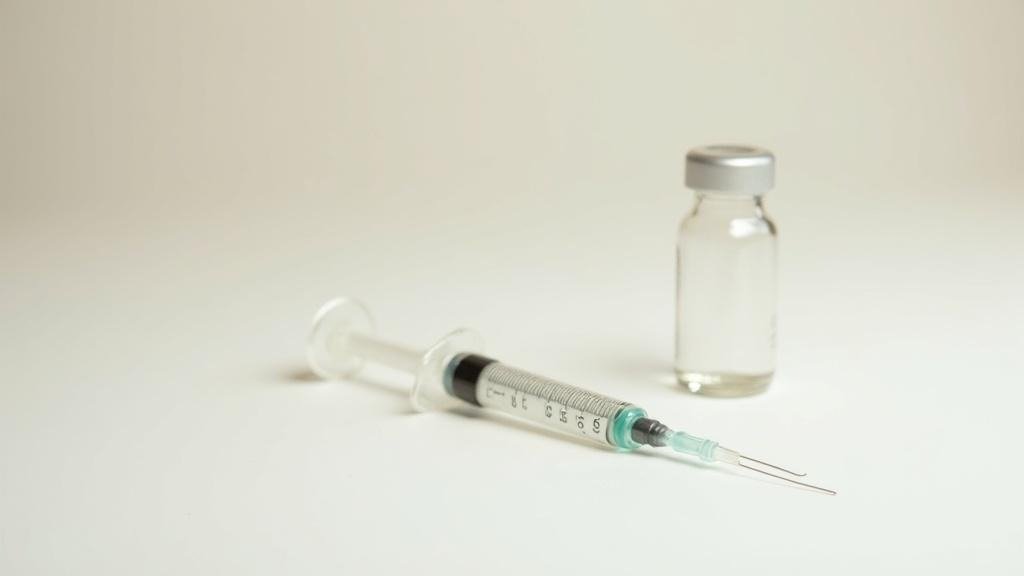

Before ranking any calculator, I tested the same basic scenario across each one: vial amount, water added, and prescribed dose. The winners made the syringe-unit answer easy to understand without oversimplifying safety.
How to Pick the Right Tool
Not all of these tools do the same job. Before the list, here is what separates a useful calculator from a pretty webpage:
- Syringe type support. Most people own U-100 syringes, but U-50 and U-40 exist. A tool locked to one type will give wrong numbers for the others.
- Unit transparency. Does it show the math, or just spit out a number you have to trust blindly?
- mg vs. mcg conversion. A 1,000x error here is the most common reconstitution mistake. Good tools handle the conversion explicitly.
- Compound coverage. Single-peptide tools are fine for one job. Multi-peptide tools save time if you cycle different compounds.
- App vs. browser. Web-only tools disappear when your phone has no signal. An app you downloaded still works.
- Who built it. Many of these pages have no company name, no update history, and no support contact.
The 8 Calculators
1. FormBlends Peptide Calculator
Start here. The single most useful thing about this tool is that it shows you the arithmetic at every step, so you can catch your own input errors before you draw.
You enter vial size (mg or mcg), BAC water added (mL), and your target dose. It returns concentration per mL, exact units to draw, and total doses remaining in the vial. A visual syringe fill bar marks where the plunger stops. One-tap presets cover BPC-157 at 5 mg and 10 mg, TB-500 at 5 mg, ipamorelin at 10 mg, tesamorelin at 2 mg, and GLP-1 compounds at 50 mg. It handles U-100, U-50, and U-40 syringes and converts mg to mcg automatically.
Free. No account needed. Also lives inside the FormBlends mobile app (iOS and Android), which adds a 55-compound library, dose logging, and an injection-site rotation tracker. Built by a company that operates a licensed 503A pharmacy, not an anonymous domain.
2. PeptideFox
PeptideFox (peptidefox.com) covers more than 30 individual peptides and is one of the more visually polished free tools. Its standout feature is BAC water volume optimization: it suggests an amount of water that produces round, easy-to-draw unit values on a U-100 syringe. That one adjustment alone prevents a lot of math headaches. Includes a visual guide alongside the output.
3. PeptideDeck
Clean and minimal. You enter milligrams of peptide, milliliters of BAC water added, and your target dose in micrograms. The tool returns the resulting concentration and the exact draw volume in both mL and insulin units. No presets, no frills. Useful when you want to verify a number quickly without loading a full app.
4. MyPeptideMatch
Covers BPC-157, TB-500, semaglutide, and tirzepatide in one free page. Handy if you are working with GLP-1 class peptides alongside healing compounds, since most single-purpose calculators ignore the weight-loss injectables entirely. Free, no login.
5. LeadWest Medical
Targets the peptides most commonly prescribed through telehealth channels: retatrutide, BPC-157, TB-500, ipamorelin, CJC-1295, tesamorelin, sermorelin, and GHK-Cu. Useful if your compound list skews toward secretagogues and GLP-1 analogs rather than the more exotic research peptides.
6. Outliyr Peptide Calculator
Outliyr covers a similar compound list to LeadWest, including BPC-157, TB-500, ipamorelin, CJC-1295, tesamorelin, GHK-Cu, and GLP-1 class. The site is primarily a performance-health content platform, and the calculator sits alongside editorial context about each peptide. That surrounding information is either helpful or distracting depending on what you came for.
7. peptidereconstitutecalculator.com
Single-purpose: BPC-157 only. Converts micrograms to units on a U-100 syringe. Narrow, but if BPC-157 is the only compound you are working with, narrow is fine. No account, no download. Useful as a quick sanity check.
8. peptides.org Dosage Charts
Static reference tables, not an input-driven tool. They cover dosing ranges, half-lives, and injection timing for a wide range of compounds. They will not tell you how many units to draw, but they give context for why a provider may have written the dose they did. Good to have open in a second tab while you run numbers elsewhere.
A Note on These Tools
Every calculator on this list is a measurement aid. None of them determine what dose you should take. You enter the dose; the tool tells you how to measure it. A qualified provider sets the dose. That distinction matters.
Common Questions
Does it matter which syringe type I tell the calculator I am using?
Yes, and getting this wrong is one of the most common errors. A U-100 syringe holds 100 units per mL, a U-50 holds 50, and a U-40 holds 40. If you enter the wrong type, every draw volume the calculator returns will be off. FormBlends and PeptideFox both let you specify syringe type explicitly.
Can I use the FormBlends calculator for semaglutide and tirzepatide, or is it only for traditional peptides?
FormBlends includes GLP-1 compound presets, specifically a 50 mg vial option that covers semaglutide and similar compounded doses. MyPeptideMatch also handles semaglutide and tirzepatide directly. Most of the other tools on this list were built around BPC-157 and secretagogues and do not address GLP-1 class compounds at all.
What is BAC water volume optimization, and why does PeptideFox offer it?
When you dissolve a peptide in an arbitrary amount of bacteriostatic water, your target dose often falls on an awkward unit mark, like 17.3 units on a U-100 syringe. PeptideFox suggests a water volume that produces a round draw number instead, say exactly 20 units. That makes measuring more accurate and reduces the chance of pulling the wrong amount.
If I only work with BPC-157, is there any reason to use FormBlends over peptidereconstitutecalculator.com?
Only if you want extra features. The single-purpose BPC-157 site does the core conversion quickly and without friction. FormBlends adds step-by-step math display, multiple syringe types, dose logging, and a compound library, which matters if you ever add a second peptide or want a record of what you drew and when.
Do any of these calculators tell me what dose to take, or do they only handle the measurement math?
None of them set your dose. Every tool here takes a dose you already have, from a provider or protocol, and tells you how to measure it in your syringe. The peptides.org charts show published dosing ranges for context, but even those are reference data, not a prescription. A qualified provider determines the dose.
Sources
- U-100 syringe unit/volume equivalencies: standard pharmaceutical labeling (100 units per 1 mL)
- PeptideFox feature set: peptidefox.com (public, reviewed 2025-2026)
- peptidereconstitutecalculator.com: public page, BPC-157 U-100 conversion (reviewed 2025-2026)
- peptides.org: publicly accessible dosage reference charts
- FormBlends app: iOS/Android public listing and web tool (reviewed 2025-2026)


 By
By